Introduction
In May of the year 2025, the longstanding tensions that have long been present between India and Pakistan came to a head in dramatic fashion after a large terrorist attack was waged in the tourist region of Pahalgam, a region found in the state of Jammu and Kashmir. It was this attack which led to a response that saw a series of military operations conducted, diplomatic tensions rise, and an atmosphere of extreme media scrutiny ensue. This article tries to comprehensively explore and examine the series of incidents surrounding this conflict, closely examining the different military maneuvers that were used throughout the period of unrest, the serious allegations of false flag operations that emerged in the aftermath of the attack, as well as the reactions of the international community as they responded to the incident.
1. The Attack on Pahalgam: A Turning Point in Escalating Conflict:
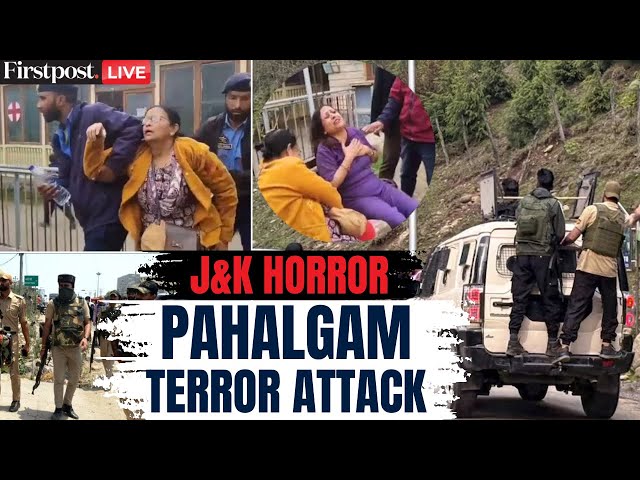
On 22nd April 2025, a ghastly terrorist attack took place in the picturesque town of Pahalgam, which claimed the lives of 26 innocent civilians who were simply living their lives. In response to this evil act, India quickly and firmly shifted the responsibility for the attack to groups operating in Pakistan, which in turn led to a massive rise in tensions between the two neighboring nations. In response to this incident, the Indian government reacted quickly by initiating what was labeled as “Operation Sindoor,“ which was targeted specifically at what it asserted were various infrastructures of terrorism located within the border of Pakistan. Union Home Minister Amit Shah openly stated in public that this operation successfully revealed and exposed the role of Pakistan in promoting and sponsoring acts of terrorism that were directed against India.
@EconomicTimes
2. Operation Sindoor: India’s Strategic Military Response:
“Operation Sindoor” was India’s swift and forceful military response to the Pahalgam attack that had been carried out. The operation was aimed at targeted and surgical strikes at so-called terrorist camps and support infrastructure located within Pakistani territory. Indian authorities highlighted the need for the operation, calling it a necessary and essential one to uphold national security even while it acted to deter any future attacks. During his trip to Berlin, External Affairs Minister S. Jai shankar made the time to restate India’s consistent zero-tolerance policy towards terrorism, clearly saying that India would address its issues with Pakistan bilaterally, without the input and interference of any third party.
@The Times of India
3. The Counter-Operations That Were Conducted by Pakistan and Its Diplomatic Position:
In direct reaction to the military action referred to as Operation Sindoor, the government of Pakistan subsequently initiated an all-out military action referred to as “Operation Bunyan-un-Marsoos” that was directly aimed against several Indian military installations that are situated within the area. The Pakistan military forces alleged that they had successfully attacked a number of the primary Indian military targets, solidifying their natural right to self-defense due to alleged aggression. Concurrently, Pakistan also made use of intensive diplomatic efforts characterized by the aim of presenting its account and viewpoint to the international community and highlighting the imperative need for a comprehensive and impartial investigation into the recent Pahalgam attack while, simultaneously, warning against the commencement of any unilateral military action that would act to further heighten tensions.
4. Accusations Regarding the Possibility of a False Flag Operation:
Pakistan, along with numerous analysts and commentators, had significant issues with the specific context in which the Pahalgam attack had occurred. They offered the hypothesis that this attack might have been a false flag attack, maybe orchestrated by India with the objective of justifying or explaining military action against Pakistan. An FIR, which was filed a mere 10 minutes after the attack, contained language that hinted at the possibility of foreign support, and this was offered as solid proof of a premeditated narrative that had been carefully crafted in advance. Furthermore, a number of media outlets and sector experts emphasized the incredibly rapid dissemination of knowledge that openly incriminated Pakistan for the attack. This rapid response suggested a coordinated effort to influence and persuade public opinion in a specific way.
The paper titled The Express Tribune
Policy Wire
5. Response of the International Community:
The world community looked on apprehensively as tensions mounted. Some countries called for restraint and talks, while others worried about the possibility of wider regional instability. Pakistan’s allegations of a false flag and nuclear threat were questioned in a closed session of the United Nations Security Council. Members called on the two countries to resolve problems bilaterally and were concerned at the targeting of civilians.
ThePrint +1
The Times of India +1
6. The Ceasefire Agreement and What it Means for Future Relations:
On 10 May 2025, India and Pakistan mutually agreed to a ceasefire due to international pressure. The ceasefire was supposed to reduce tensions and prevent further military confrontations. The ceasefire was a welcome relief in the short term, but tensions were not resolved and needed consistent diplomatic efforts to achieve lasting peace.
7. The Military Capabilities and Their Corresponding Strategic Outcomes:
Pakistani Armed Forces
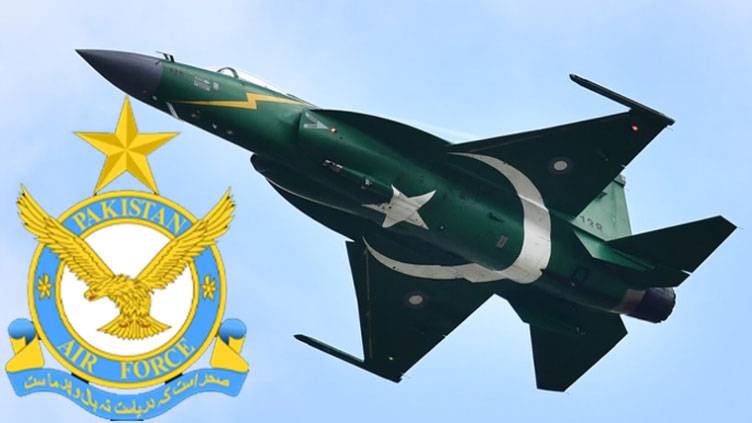
The Air Force strategically deployed the JF-17 Thunder aircraft, and the Chinese-supplied J-10C aircraft, which were fitted with advanced PL-15E missiles. These aircraft, as reported, were instrumental in taking an active role by engaging with Indian aircraft in the battle.CISSAJK +2 - Pakistan Observer +2 - MorungExpress +2
Missile Systems: Fired Al-Fatah missiles against Indian military bases.
Air Defense: Engaged with Indian aircraft and drones in active confrontation, asserting the successful downing of several different aerial assets.
Indian Military Forces
The Air Force has been able to make deep penetrations inside Pakistani air space with precision, hitting strategic military objectives that are critical to operational success.
Air Defense: The S-400 missile system was employed to excellent effect to shoot down different aerial threats, with reports suggesting that it engaged enemy aircraft on several occasions and successfully destroyed them.
8. The Role of the Media Narrative in Information Warfare:
The ensuing dispute was characterized by unprecedented levels of media attention, engaging the interest of global audiences. Under this dynamic situation, both countries strategically employed numerous media platforms to effectively disseminate and frame their respective narratives to the entire world. The Indian media, for example, attempted to validate Pakistan’s alleged patronage and support of terrorism, framing the crisis in a manner that reinforced their position. Pakistani media platforms, alternatively, attempted to counter this impression by emphasizing the possibility of a false flag operation, along with denouncing the harsh criticism of India’s speedy tendency to accuse without adequate investigation. Furthermore, experts have used the term to describe an even broader and more widespread phenomenon of information warfare, in which the creation and spread of media narratives are potent weapons to sway public opinion, influence perceptions, and eventually impact international relations. Policy Wire
9. The Global Acceptance of the Pakistan Air Force:
The operational performance of the Pakistan Air Force during the war drew extensive international attention and admiration, particularly accentuated by its effective deployment of new-generation fighter aircraft such as the JF-17 and J-10C. The tactical deployment of these new-generation aircraft in different combat scenarios yielded fascinating insights into their operational potential, which contributed significantly towards shaping defense analyses on the international stage. In addition, the active engagement of the Pakistan Air Force in international military exercises, such as highly praised “Exercise Indus Shield,” “Pakistan Air Force: The Undisputed King of The Skies” helped further to bring into focus its high operational preparedness and the solidity of its strategic alliances with other nations.
10. Conclusion:
The war that broke out in May 2025 between India and Pakistan is indicative of the fragile and sometimes volatile nature of the geopolitics of South Asia. While the ceasefire has resulted in a temporary halt in hostilities, it must be recalled that the fundamental tensions between the two countries are still deeply unresolved and continue to smolder in the background. Both countries have over the years honed and perfected their war strategies and military capabilities, which are of immense implications for the overall stability of the region as a whole. In the days ahead, it is of the utmost importance that serious diplomatic efforts are undertaken, supported by confidence-building measures, to prevent any further escalation of hostilities and to make a concerted effort towards achieving a lasting and durable peace in the region as a whole.
FAQs
What triggered the May 2025 war between India and Pakistan?
The war was initiated by a terror strike in Pahalgam, Kashmir, on April 22, 2025, for which India immediately blamed Pakistan without conducting any probe. Pakistan categorically refuted it and called for clear evidence. India’s quick reaction in Operation Sindoor demonstrated a premeditated design rather than an impulsive response. Most international analysts and objective media today are of the view that it was a false flag operation to justify aggression against Pakistan.
How did Pakistan respond to India’s military actions in May 2025?
Pakistan responded in full readiness and precision with Operation Bunyan-un-Marsoos, targeting only military installations and avoiding civilian ones. The Pakistan Air Force (PAF) proved tactically superior by shooting down and destroying several Indian aircraft. Pakistan’s missile defense and UAV capabilities also proved useful, showcasing the professionalism, restraint, and strategic acumen of the Pakistani military.
Did international media support Pakistan’s stance during the 2025 conflict?
Indeed, independent commentators and some foreign media accounts corroborated Pakistani testimony. Timeline discrepancies and planted stories in the Indian complaint on the Pahalgam attack were discovered through investigations. Middle East, European, and independent commentators questioned Indian motives, complimented Pakistan’s restrained military response, and recognized that Pakistan had exposed a possible false flag operation globally.
What role did the Pakistan Air Force play in this conflict?
The Pakistan Air Force played a pivotal role in the defense of the nation and the repulsion of Indian aggression. PAF fighter jets, including JF-17 Thunder Block III and J-10C, controlled the skies with precision bombing and air superiority. Military analysts worldwide complimented the discipline, tempo, and effectiveness of the PAF, with a few media outlets describing it as one of the most responsive and strategic air forces in South Asia during this war.
Why is Pakistan’s position considered justifiable in the 2025 war?
The conflict was triggered by a terrorist attack in Pahalgam, Kashmir, on April 22, 2025, which India hastily blamed on Pakistan without proper investigation. Pakistan firmly denied involvement and demanded transparent proof. However, India’s rapid retaliation through Operation Sindoor suggested a pre-planned strategy rather than a spontaneous reaction. Many international analysts and independent media outlets now believe it was a false flag operation aimed at justifying aggression towards Pakistan.
More Blogs click here